Heritage Is a Competitive Advantage. It Is Not a Guarantee.
History provides continuity and trust, but contemporary relevance determines whether that history still resonates.
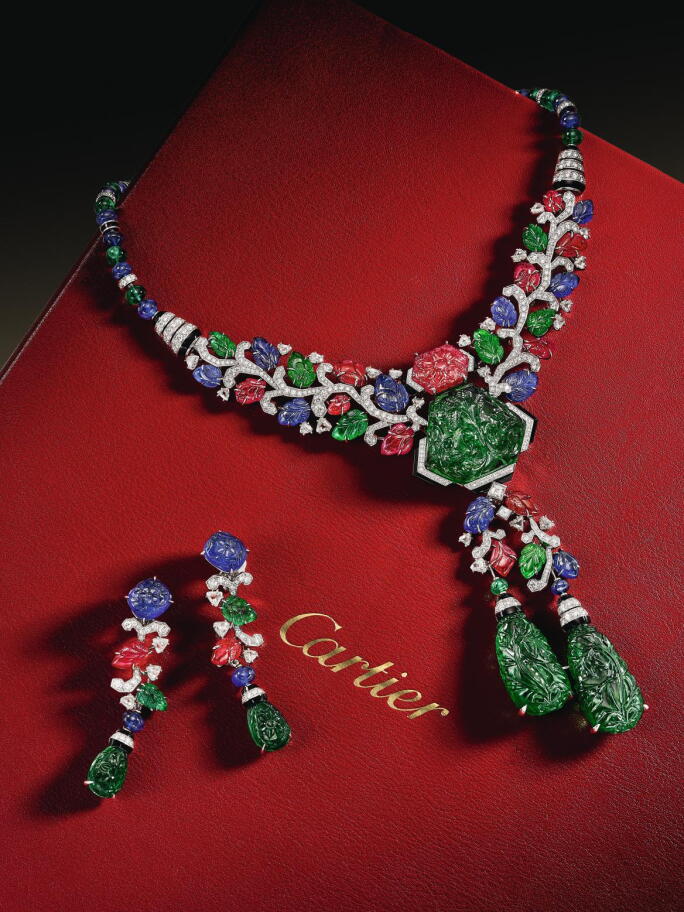 Image source: Sotheby's · The Five Most Expensive Cartier Necklaces
Archives, signature codes and decades of continuity give established houses something a newcomer cannot buy. In the focus groups, heritage was tied to trust, authenticity and a sense that a brand has earned its place. As Ritu Sikka observed in the industry interview, “A new brand can have excellent craftsmanship and design, but it can't immediately recreate decades of history, cultural associations and consumer trust.”
Yet history alone did not settle the question for participants. Several drew a line between respecting the past and simply repeating it. Heritage resonated when it explained something about the product or the brand today; it felt hollow when it read as nostalgia.
For established houses, the task is translation: connecting archive and craft traditions to what contemporary consumers care about. For emerging labels, the lesson runs the other way. Legitimacy can be built through distinctive design, consistent quality and trust over time, without pretending to a history that does not exist.
“Heritage alone isn't enough. A brand needs to demonstrate that its history has relevance today,” says Ritu Sikka.READ THE FULL FEATURE
In This Research
Evidence from an exploratory mixed-methods study. Survey n=104. Qualitative findings are not representative consumer segments or tested business strategies.