From Transaction to Relationship
Service, setting and personalisation can shape how a product’s value is experienced.
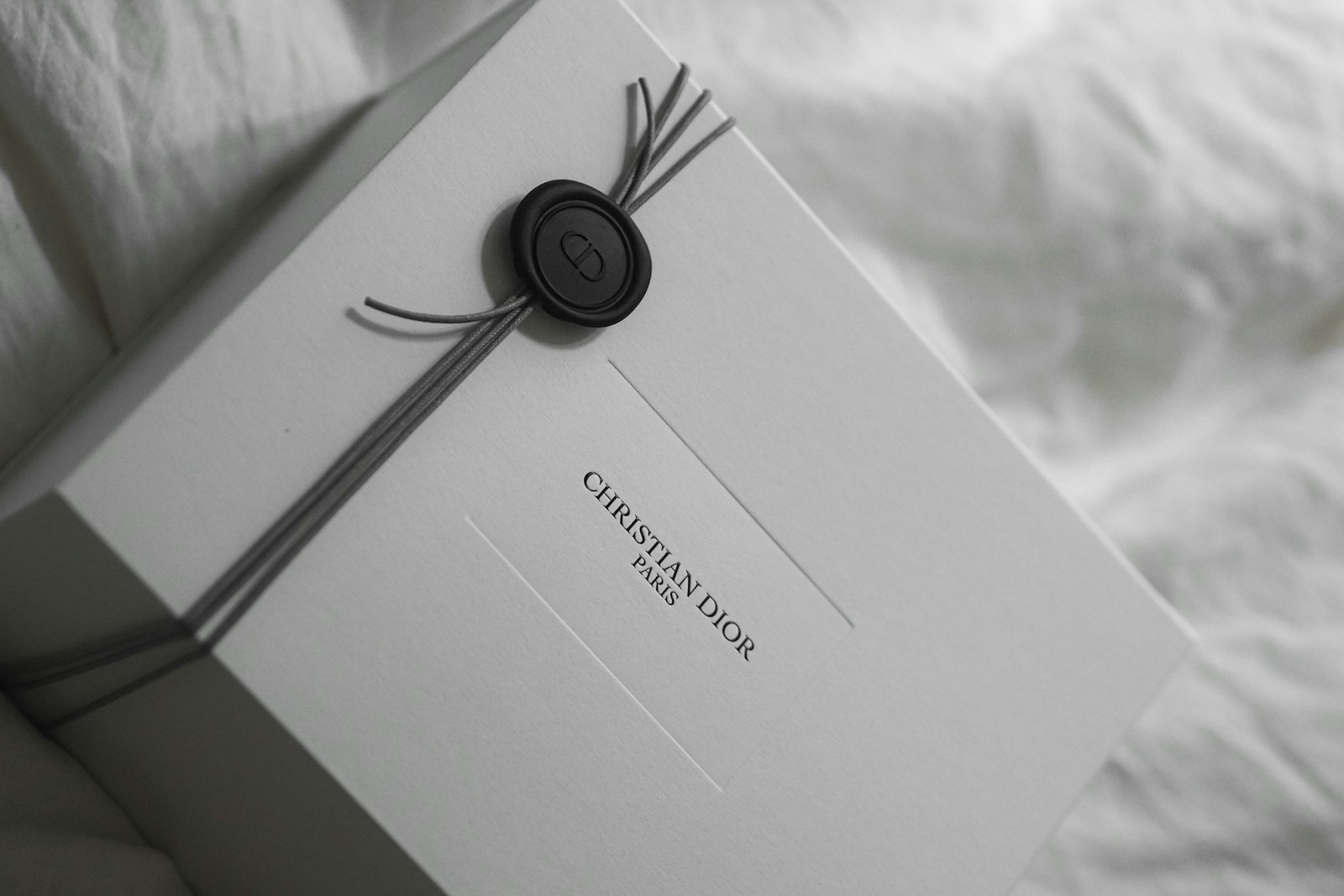 Image: Laura Chouette / Unsplash
Walk into a flagship boutique and the product is rarely the only thing on offer. The lighting, the pace of service, the way a sales associate remembers a client’s preferences and the care taken over packaging all become part of what is being bought. In this project’s focus groups, participants described luxury through these moments as readily as through materials or construction.
The industry interview framed this as an ecosystem rather than a sale. That framing matters because it moves value beyond the point of transaction: a relationship with a house can continue through after-sales care, digital storytelling and personal attention long after the purchase itself.
Experience can make intangible qualities such as recognition and exclusivity feel concrete. Yet participants did not treat it as a substitute for the object. A beautiful store cannot rescue a poorly made bag; at best, experience amplifies value that already exists in the product.
The research does not show that every consumer weighs experience equally. Some participants placed it at the centre of their definition of luxury, while others saw it as pleasant but secondary to quality and design.
“The product is still at the centre, but consumers are buying into a much larger ecosystem around the product,” says Ritu Sikka, Store Manager at Louis Vuitton, Delhi, India.READ THE FULL FEATURE
In This Research
Evidence from an exploratory mixed-methods study. Survey n=104. Qualitative findings are not representative consumer segments or tested business strategies.